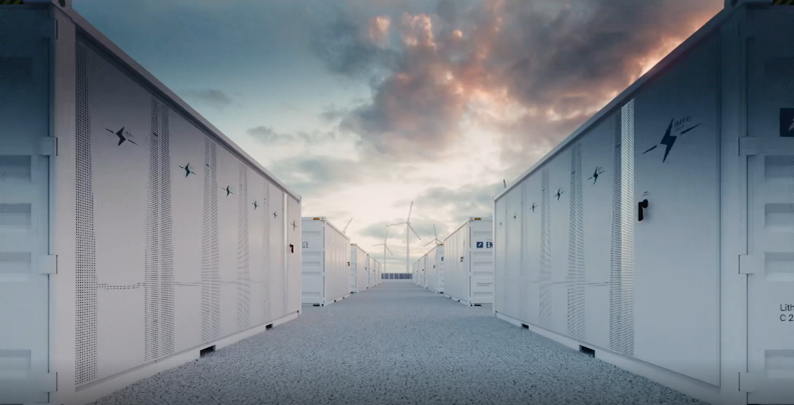



Fire risk tops the headlines, but short circuit events may be the more immediate threat on your next project. Battery energy storage systems (BESS) are having a moment. After years of promise, the technology has reached an inflection point thanks to plummeting costs, utility-scale deployments, and continuing federal support. BESS has earned its reputation as the sector to watch by solving difficult grid problems. But momentum has a way of o....
In the North American power market, Demand Response (DR) is no longer confined to large industrial facilities turning off heavy machinery during peak hours. Driven by FERC Order 2222 and the rapid deployment of distributed energy resources (DERs), behind-the-meter C&I solar and Battery Energy Storage Systems (BESS) are increasingly relied upon to provide active grid support. Modern utility programs and Virtual Power Plants (VPPs) require C....
While not the world oldest profession, the reuse of products is a close second, dating back to when a caveman picked up a spear after his partner was eaten by a lion. Today, it is estimated that 45 percent of industries depend on it. Some examples are the auto industry relying on scrapyards for parts, heavy construction equipment, HVAC systems in buildings, utilities, plumbing, marine, military, aviation, and telecommunications — all rely on....
Artificial intelligence is rapidly becoming one of the most significant drivers of energy demand growth in modern history. As hyperscale data centers expand across North America to support AI processing, cloud infrastructure, and high-density computing, utilities and developers are accelerating investments in renewable energy projects at unprecedented speed. Much of the public conversation surrounding this transition has focused on solar photovol....
Energy Storage
Schaltbau North America
Energy Storage
Gary Lam
Energy Storage
Sequoya Cross
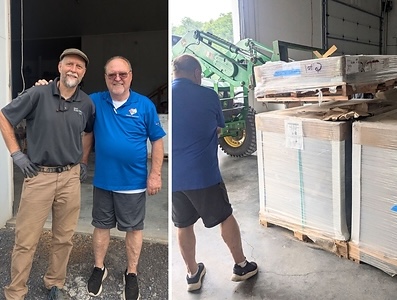
Got Electric, LLC has donated 57 surplus Heliene 380-watt solar panels to Shenandoah County SEARCH Inc., a nonprofit organization that provides residential care for adults with intellectual and developmental disabilities and operates a community thrift store in Mount Jackson, Virginia.
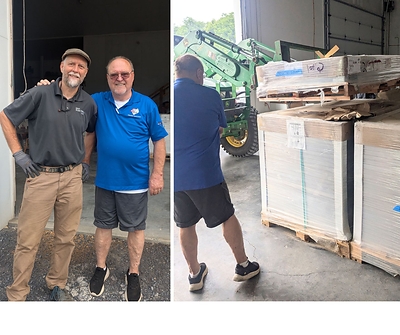
Twelve panels are designated for installation at the SEARCH group home by Green Hill Solar during the week of July 27. The remaining 45 panels will support a larger solar installation at the SEARCH Thrift Store once the organization raises approximately $29,000 in additional funding.
"We are honored to partner with GiveSolar to support Shenandoah County SEARCH and the important work it does for adults with intellectual and developmental disabilities," said Andy Hershberger, Director of Virginia Operations for Got Electric, LLC. "By donating these solar panels, we are giving surplus equipment a meaningful new purpose while helping SEARCH reduce its long-term energy expenses and direct more resources toward resident care, enrichment opportunities and the continued success of its community thrift store."
The donation builds upon a relationship between Hershberger and GiveSolar Director Jeff Heie that spans more than a decade. The two previously collaborated on a volunteer-supported solar installation at Eastern Mennonite School and, in 2025, helped direct surplus solar panels from Got Electric to Athens Area Habitat for Humanity in Athens, Georgia.
When Hershberger contacted Heie about another opportunity to place surplus panels with nonprofit organizations, GiveSolar connected Got Electric with SEARCH. GiveSolar also contributed $500 toward the group home's remaining solar installation expenses.
"Many nonprofits understand the long-term value of solar energy but struggle to secure the upfront capital required to install a system," said Heie. "A solar panel donation can provide the traction and leverage needed to raise the remaining funds. Got Electric had panels available, and GiveSolar was able to connect them with SEARCH, an organization that can use the resulting savings to further its mission for years to come."
The group home's solar system is projected to produce approximately 5,644 kilowatt-hours annually and offset an estimated 75% of its electricity use. Its estimated levelized energy cost is $0.05 per kilowatt-hour for the energy produced by solar.
The larger thrift store system is projected to produce approximately 24,702 kilowatt-hours annually and offset more than 65% of the store's electricity use.
SEARCH spent approximately $11,500 on electricity during its July 2025 through June 2026 fiscal year. Reducing those expenses will allow the nonprofit to direct more resources toward resident care, staffing, home improvements, enrichment activities and the continued operation of its community thrift store.
"This is transformational. What appears to be a solar project is really a mission project," said Kim Cassford, board member of Shenandoah County SEARCH Inc. "By harnessing the power of the sun, SEARCH is creating a renewable source of funding that will benefit our residents for decades to come. We expect to save well into the six figures over the next 20 years, resources that can be reinvested directly into resident care, staffing, home improvements and life-enriching opportunities."
Founded in 1978, SEARCH operates an eight-bed, state-licensed group home that provides 24-hour support to adults with intellectual and developmental disabilities. Some residents have called SEARCH home for more than two decades.
"For most people, lower utility bills simply mean saving money. For SEARCH, they mean creating opportunities," said Robin Tull, group home administrator. "Every dollar we save through solar energy can be redirected to the things that truly matter, from outings and celebrations to the everyday household supplies that keep our home running."
The SEARCH Thrift Store further supports the organization's mission while providing affordable clothing, furniture and household goods to the surrounding community. In 2025, the store completed 10,871 customer transactions, with an average unit price of $3.93.
Members of the public who would like to support the thrift store solar installation may donate online at https://www.shenandoahsearch.org/support-us or mail a check payable to SEARCH to 5742 Main Street, Mount Jackson, VA 22842, with "Solar" written in the memo line.
Got Electric | https://gotelectric.net/
Shenandoah County SEARCH Inc. | www.shenandoahsearch.org

Noon Energy, a pioneer in ultra-long duration energy storage (ultra-LDES), announced a joint agreement with Sabanci Renewables to utilize Noon's technology to deliver 100% renewable, 24/7/365 energy for AI-Infrastructure. The companies will co-develop ultra-LDES projects, integrating Noon Energy’s reversible electrofuels battery systems with Sabanci’s renewable portfolio to deliver 100% clean, firm power for AI infrastructure. This collaboration targets up to 1 GW of capacity, providing a reliable, long-duration solution. As an investor in Noon Energy — and the sister company of Sabanci Renewables — Sabanci Climate Ventures has enabled this planned collaboration, which reflects strong confidence in Noon’s innovative approach and sets the stage for a potential commercial deployment beginning as early as 2027.

Baseload Renewables for AI Infrastructure
The focus of the strategic agreement is the co-development of 100% clean, firm power projects which pair Sabanci Renewables’ clean generation portfolio with Noon Energy’s ultra-LDES storage to enable baseload renewable energy. These projects will be structured as Power Purchase Agreements (PPAs) or capacity offtake agreements for systems up to 1 GW (100 GWh). This joint effort highlights the rapidly accelerating market demand for ultra-LDES needed to integrate large-scale solar and wind resources, especially to support expanding AI infrastructure. With Sabanci Renewables targeting a 3 GW renewable portfolio in the U.S. in the next 5 years, these projects would significantly contribute to their total capacity goal. Together, Sabanci and Noon Energy will enable ultra-low cost, clean, firm power for customers and the grid.
"Partnering with an established and forward-thinking company like Sabanci Renewables marks a critical step in accelerating the path to commercialization for our ultra-LDES technology," said Chris Graves, Noon Energy CEO. "In this cooperation we will develop the commercial, technical, and operational frameworks to unlock a 100% reliable and renewable grid for cents per kWh using multi-day energy storage."
Murat Oguz Arcan, Chief Growth Officer of Sabanci Renewables and Managing Director of Sabanci Climate Ventures, stated that, "We are pleased to support Noon in this endeavor, and in doing so, we are opening new investment opportunities for Sabanci Renewables. We believe that supporting the growth of AI through innovative power solutions is essential to enabling timely, sustainable growth. By bridging Noon Energy’s ultra long duration energy storage technology with Sabanci Renewables’ renewable energy expertise, we aim to contribute to the development of the clean, reliable, and scalable energy infrastructure that the AI economy will require."
Co-Development and Commercial Roadmap
The companies will work collaboratively to explore project opportunities and define commercial, technical, and operational frameworks. Sabanci Renewables is expected to contribute project development insights and capital expertise, while Noon would focus on scaling manufacturing, providing technical input, and overseeing operations and maintenance activities.
Noon Energy | noon.energy
Sabanci Climate Technologies | sabancict.com
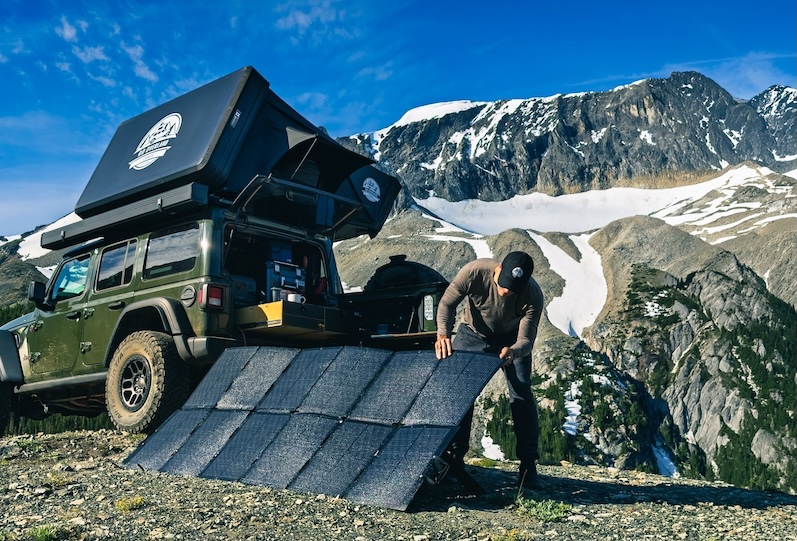
BLUETTI, an innovator in portable power and RV energy solutions, officially debuted the SORA 500 Portable Solar Panel in the U.S. Designed for RV travel, camping, and off-grid power, the SORA 500 addresses a common RV power challenge: supplying high-efficiency solar charging without sacrificing valuable vehicle storage space.
500W Solar Panel, Folded for Easy RV Storage

RV travelers often struggle to balance high wattage with limited space. This 500W portable solar panel resolves that trade-off by folding 500W of rated solar output into a compact 22.4 x 17.5 x 3.3-inch frame—packing down like a slim camp table. Weighing 28.4 lbs, it moves between an RV, campsite, garage, or backyard without permanent installation.
Built with premium N-Type monocrystalline cells offering up to 25% conversion efficiency, SORA 500 features an ETFE-coated surface for easier cleaning after outdoor use and IP67-rated dust and water resistance for campsite conditions. A standard MC4 connector helps it pair with compatible solar generators and portable power stations, while the portable form factor lets users position the panel for stronger sunlight as shade, angle, temperature, cable compatibility, and connected-device input limits allow.
In hands-on testing, third-party coverage highlighted both its output and packability. The Verge rated the panel 8/10, reporting real-world output up to 509W and calling it "the only 500W panel that effectively disappears into a small closet or under a van bench." WIRED's portable solar panel guide also highlighted BLUETTI's 500W panel as a high-output portable solar option for RVs, cabins, and campsites.
Tailored Power Solutions for Every Journey
To maximize the SORA 500's performance, BLUETTI integrates the panel across flagship power setups to match various travel styles:
Pricing and Availability
The SORA 500 Portable Solar Panel is now available in the U.S. at a launch price of $799, with an additional 5% off available using promo code BLUETTI5OFF at checkout. Tailored system setups for different travel needs can be found in BLUETTI's official RV Power Solution Guide.
BLUETTI | https://www.bluettipower.com/
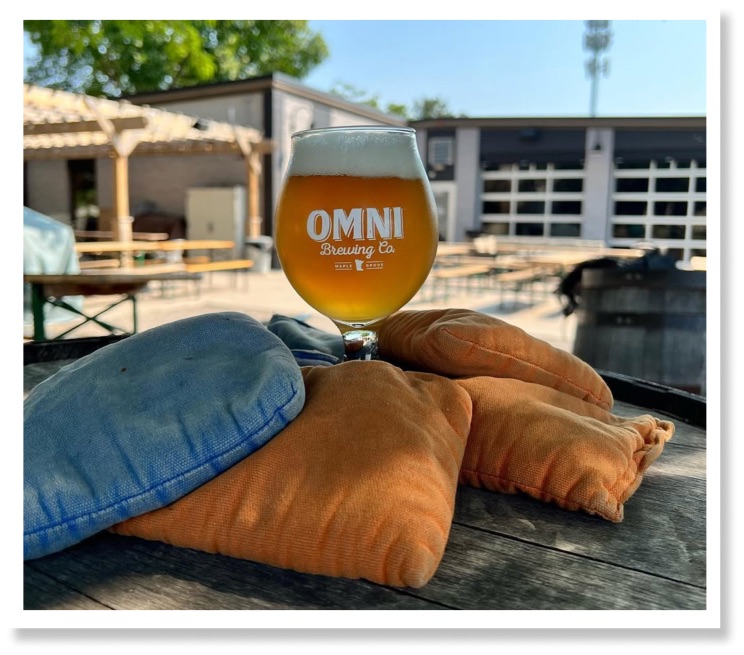
When planning their new facility in Rosemount, Minnesota, Omni Brewing Company prioritized sustainability from the beginning by incorporating a custom solar array into the building's design. "Going solar has been one of the more satisfying investments we've made at Omni Brewing," says Justin Walsh, owner of Omni Brewing. "From the start, the goal was to run a cleaner, more sustainable operation, and this installation moved us meaningfully in that direction — a real part of our brewery now runs on the sun, which is something we're proud of".
Expert Execution with All Energy Solar
To achieve their energy goals, Omni partnered with All Energy Solar (AES). As a turnkey solar energy provider, AES managed every phase of the project, from initial energy analysis to engineering, permitting, and final construction. AES ensured Omni could maximize their return on investment by leveraging federal tax credits, bonus depreciation, and a USDA REAP grant.
Omni's 74.8 kW system features 176 panels with Enphase microinverters. This solution was specifically chosen for Omni's east-west array orientation, delivering optimal production throughout the day compared to traditional central inverters. The choice of Enphase also ensured cost-effective material and extensive warranty, providing long-term reliability. "The monitoring from the Enphase microinverters is a genuine plus, because we can see exactly how each part of the array is doing at a glance rather than guessing," says Walsh. "We have peace of mind knowing those components carry a 25-year warranty, which is well beyond what we'd expected going in."
Environmental and Financial Impact
"The completed system integrates seamlessly into the taproom's sloped roof design, and nearly matches the roof color for a clean aesthetic. The environmental impact is significant, covering the majority of the on-site usage," says Michael Thalhimer, Director of Business Development at AES. Financially, OMNI's solar production will deliver thousands in annual utility bill savings, increasing with time as utility rates continue to rise, allowing Omni to redirect that savings into the business. Walsh concludes, "It's been a solid step forward for our sustainability goals, we'd recommend the setup to any business considering the same move."
All Energy Solar | https://www.allenergysolar.com/
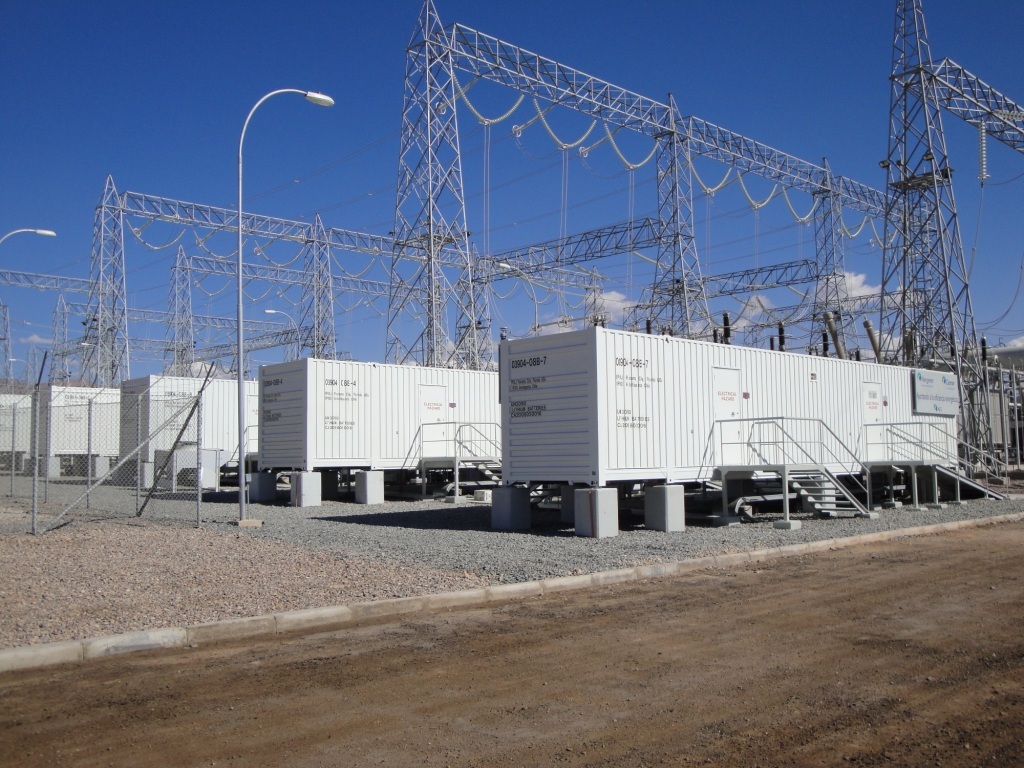
Power Storage Solutions (PWRSS), a trusted provider of DC power, battery, and energy storage solutions, announced that it is now part of Endure Critical Solutions, a new national platform delivering vendor-neutral critical power services to mission-critical operators.
For PWRSS customers, the people, relationships, and support they rely on stay exactly the same. The same team answers the phone and shows up on site—now with the expanded reach, resources, and capabilities of the Endure platform behind them.
Endure Critical Solutions unites PWRSS with Quality Power Solutions (QPS), pairing decades of DC battery and energy storage experience with deep UPS expertise under one platform. Together, the companies offer customers a single, accountable partner for the full lifecycle of their critical power—independent of any equipment manufacturer.
"Joining forces under Endure allows us to deliver for our customers at a scale neither company could reach alone," said Terry Cummings, CEO of Power Storage Solutions. "Our customers keep the same local team they know, now backed by deeper UPS expertise, extended national coverage, and the resources to support them wherever their operations grow."
"Endure is about bringing together two strong organizations with complementary expertise and a shared commitment to the customer," said Steve Baker, President of Power Storage Solutions. "By combining PWRSS' strength in batteries, DC power, and energy storage with QPS' deep UPS capabilities, we're building a truly comprehensive critical power platform. Most importantly, we're doing it without losing what made these companies successful in the first place—the people, relationships, responsiveness, and technical expertise our customer's trust."
What This Means for PWRSS Customers
Endure serves data centers, telecommunications, petrochemical, utilities, healthcare, government, and manufacturing—protecting the operations that can't afford to go dark.
Customers with questions about the transition can reach their existing PWRSS contact directly or visit pwrstoragesolutions.com to learn more.
Endure Critical Solutions | https://endurecritical.com/
The Battery Network along with the National Waste & Recycling Association (NWRA) and the National Waste & Recycling Foundation (NWRF) announced a strategic partnership to strengthen battery safety education, expand responsible recovery efforts and provide additional resources for the waste and recycling industry.
Formalized through a Memorandum of Understanding (MOU), the collaboration creates a shared commitment to advancing education, outreach, industry engagement and battery collection initiatives that improve battery safety and address the evolving needs of the industry.
Building on NWRF's "Skip the Bin! Turn Your Batteries In!" national battery safety campaign featuring Woodsy Owl, which encourages consumers to keep batteries out of household trash and recycling bins, the organizations will expand public education around proper battery recovery and disposal while equipping waste and recycling professionals with practical tools and resources to safely manage batteries throughout the collection and recycling process.
The collaboration leverages the complementary expertise of two organizations with deep experience in battery stewardship and the waste and recycling industry. For more than 30 years, The Battery Network has led battery stewardship, collection, recycling and safety initiatives across North America, while NWRA has served as the leading voice for the private-sector waste and recycling industry through advocacy, education and member resources.
"As batteries become an increasingly important part of everyday life, so does the need for trusted systems that help consumers and businesses manage them safely at end of life," said Leo Raudys, President and CEO of The Battery Network. "This partnership underscores a shared commitment to advancing battery safety, expanding responsible recycling and building the infrastructure needed to support a more electrified future."
"Battery safety is one of the most pressing challenges facing the waste and recycling industry today, and no single organization can solve it alone," said Michael E. Hoffman, President and CEO of NWRA and NWRF. "By partnering with The Battery Network, we are combining our strengths to expand public education, support safe battery recovery, and provide our members with the tools and resources they need to reduce fires and protect workers, facilities, fire fighters and communities. Together, we can build a stronger culture of battery safety while making it easier for consumers to do the right thing."
Together, The Battery Network and NWRA/NWRF will help strengthen battery recovery infrastructure, improve safety throughout the recycling stream and make responsible battery management more accessible for communities across the country.
The Battery Network | www.batterynetwork.org
National Waste & Recycling Association | www.wasterecycling.org

Pando Energy Partners LLC, a St. Louis-based clean energy execution partnership, announced that it holds exclusive engineering, procurement, and construction (EPC) rights for a portfolio of sixteen community solar and battery energy storage projects in Illinois. The initial portfolio totals approximately 108 MW (DC) of solar generation, with battery storage systems exceeding 157 MWh across eight of the sites, with a combined EPC scope estimated by Pando at nearly $200 million. The projects span south-central and northern Illinois and will be constructed under prevailing wage standards.
Orbital Energy, a principal member of Pando, is a full-service development & EPC firm with offices in St. Louis and Chicago. Its team has designed, built, and supported delivery of over 1.9 GW of solar and nearly 6 GWh of battery storage nationwide with integrated capabilities spanning development, engineering, procurement, construction, commissioning, and operations support. Orbital has already completed engineering work on several of these projects and brings the execution expertise to deliver the rest.
Pando's commitment to Illinois begins in East St. Louis, where the team is participating for the second consecutive year in the Advanced Energy Group East St. Louis Stakeholder Challenge, sponsored by Ameren and other public and private organizations, and where Orbital is on the team advancing a major community solar development on one of the city's signature former industrial sites. Through the Challenge's employment forum, Pando has identified an initial pool of East St. Louis job candidates to hire as the portfolio moves into mobilization. The work advances the goals Illinois outlined in the Climate and Equitable Jobs Act: clean energy built on well-paid local jobs, with investment reaching communities historically excluded from energy development, and locally generated energy that strengthens the grid for an electrifying economy.
Pando takes its name from the ancient Utah aspen grove: tens of thousands of trunks sharing a single root system, making it one of the largest and oldest organisms on Earth. In Latin, it means "I spread out," which is the model for the partnership: many projects, one root system, growth that strengthens the whole.
"World-class development capabilities paired with genuine local roots," said Byron DeLear, founding partner of Pando Energy Partners and CEO of Sustainable Equity LLC . "Our partner chose a team that lives here and hires here. The communities hosting these projects, starting with East St. Louis, will share in the value they generate."
"Illinois sun, Illinois batteries, and Illinois workers earning prevailing wages, our work in this state will put power back into the hands of the people," said Matt Connell, founder and CEO of Orbital Energy.
Legal counsel for the transaction was provided by Bryan Cave Leighton Paisner LLP and Husch Blackwell LLP.
Orbital Energy | https://www.oenergy.org/

Alternative Energies Jul 23, 2026
Every industrial revolution comes with its own infrastructure, which must scale rapidly in order to fuel the innovation and associated disruption that comes in its wake. Data centers are the factories of the AI revolution, and their rapid growth — ....
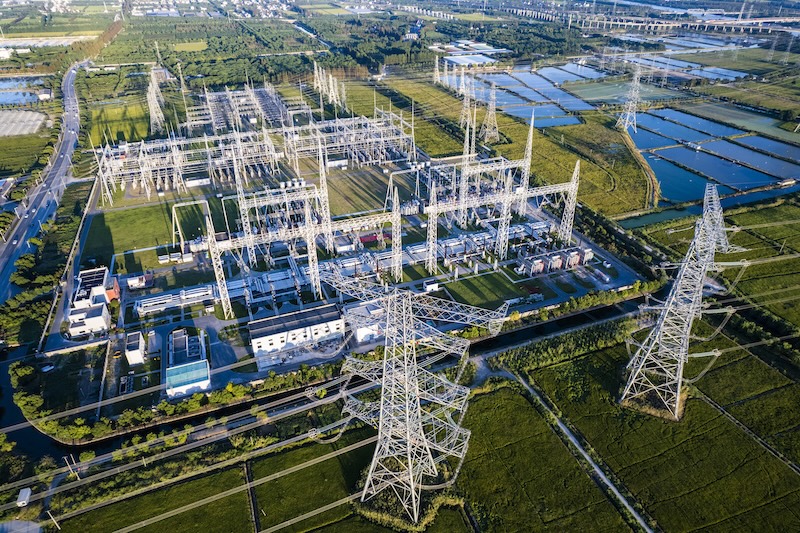
Energy systems are undergoing rapid transformation, reshaping how power is generated, delivered, and used across the economy. The growth of renewable energy is introducing new variability to the grid, while electrification is expanding across the sec....
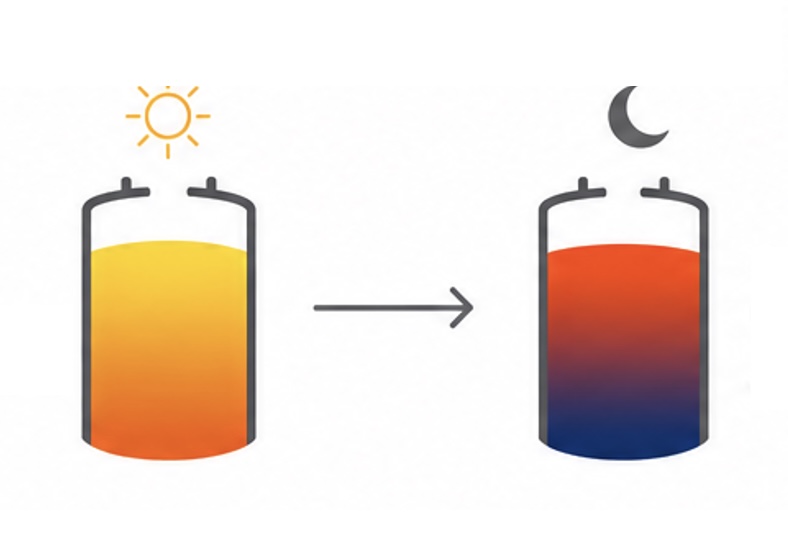
Electric demand growth is outpacing infrastructure readiness. Across North America, utilities are simultaneously facing the rapid expansion of electric vehicle charging, large-scale data center development, electrified HVAC adoption, manufacturing re....
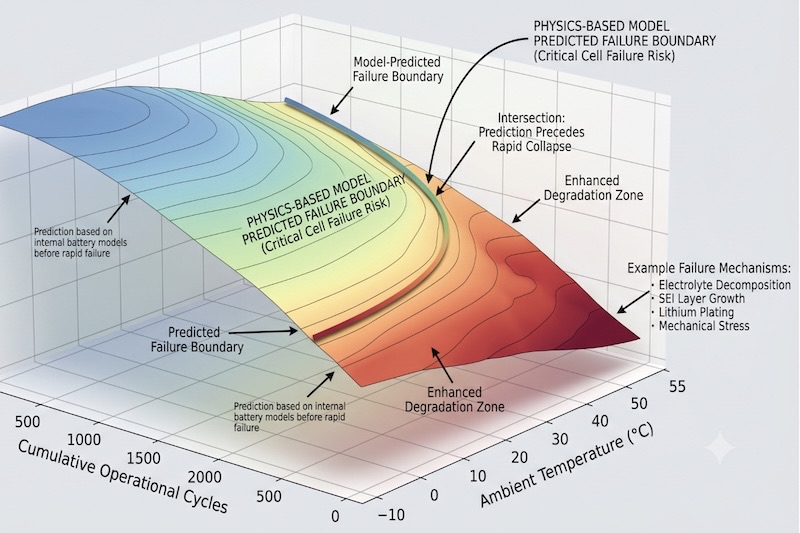
The utility-scale and commercial solar sectors are scaling at an unprecedented rate across the United States. Driven by sustained capital inflows, state-level mandates, and evolving federal tax frameworks, total installed capacity continues to hit hi....
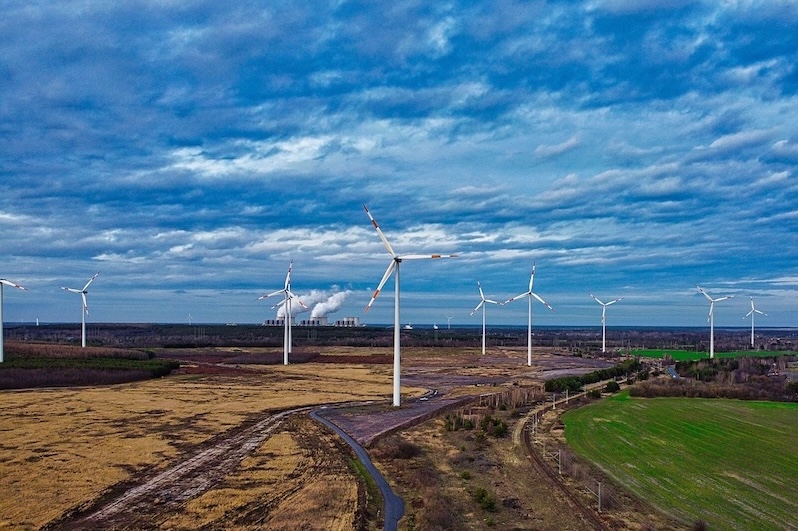
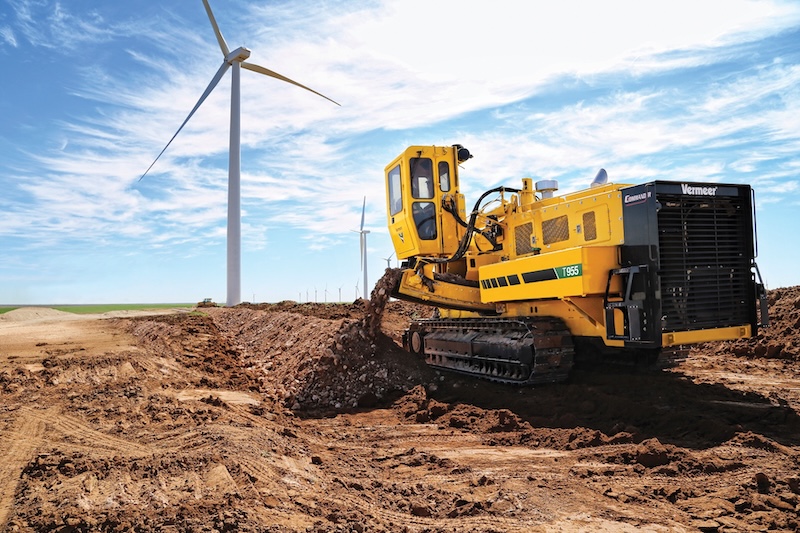
Texas leads the United States in install....
Data centers — driven by rapid AI adop....
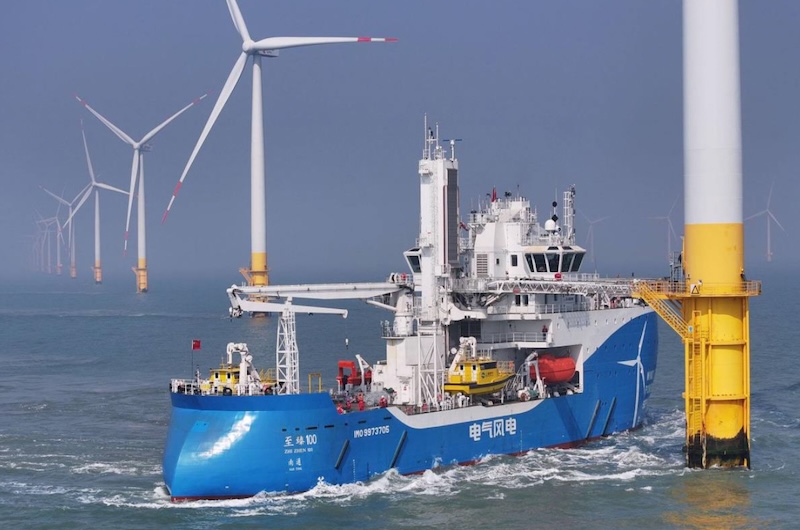
The offshore wind industry is scaling fa....
The American electric grid was designed around a principle that made sense for its time: generate power far away, move it long distances, and deliver it to homes and businesses that had no role in the system beyond paying the bill. For more than a ce....
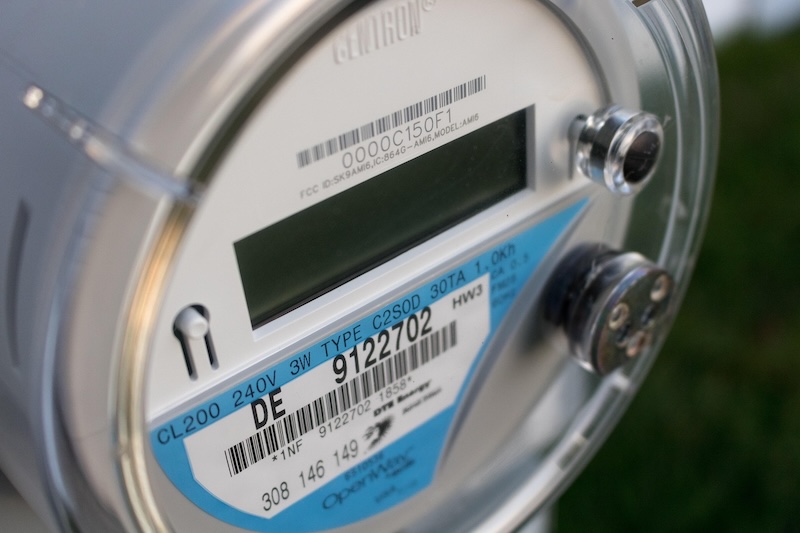
Over the years, utilities have had a complicated relationship with renewable energy. As homeowners and businesses adopt energy sources like solar and battery storage for self-generated power, the impact on utilities may be reduced revenue and oversup....

While not the world oldest profession, the reuse of products is a close second, dating back to when a caveman picked up a spear after his partner was eaten by a lion. Today, it is estimated that 45 percent of industries depend on it. Some examples....
Every industrial revolution comes with its own infrastructure, which must scale rapidly in order to fuel the innovation and associated disruption that comes in its wake. Data centers are the factories of the AI revolution, and their rapid growth — ....
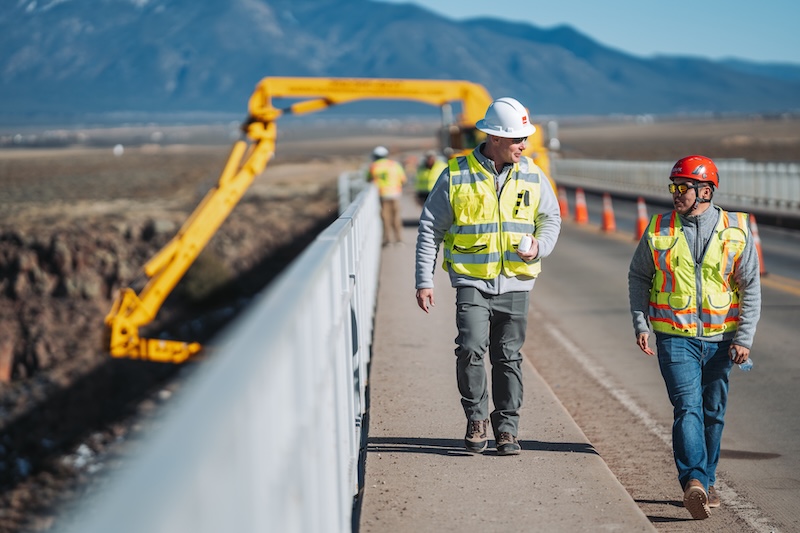
Environmental review and permitting requirements are changing faster than many infrastructure projects can adapt. Utilities, independent power producers, and commercial developers now operate in a more complex environment shaped by shifting federal p....
From extreme ice in the Midwest to the high winds in the Southeast, extreme weather is becoming more frequent and consequential for utilities and the communities they impact. For decades, choosing a conductor often centered on ampacity, cost, and sta....