


Fire risk tops the headlines, but short circuit events may be the more immediate threat on your next project. Battery energy storage systems (BESS) are having a moment. After years of promise, the technology has reached an inflection point thanks to plummeting costs, utility-scale deployments, and continuing federal support. BESS has earned its reputation as the sector to watch by solving difficult grid problems. But momentum has a way of o....
In the North American power market, Demand Response (DR) is no longer confined to large industrial facilities turning off heavy machinery during peak hours. Driven by FERC Order 2222 and the rapid deployment of distributed energy resources (DERs), behind-the-meter C&I solar and Battery Energy Storage Systems (BESS) are increasingly relied upon to provide active grid support. Modern utility programs and Virtual Power Plants (VPPs) require C....
While not the world oldest profession, the reuse of products is a close second, dating back to when a caveman picked up a spear after his partner was eaten by a lion. Today, it is estimated that 45 percent of industries depend on it. Some examples are the auto industry relying on scrapyards for parts, heavy construction equipment, HVAC systems in buildings, utilities, plumbing, marine, military, aviation, and telecommunications — all rely on....
Artificial intelligence is rapidly becoming one of the most significant drivers of energy demand growth in modern history. As hyperscale data centers expand across North America to support AI processing, cloud infrastructure, and high-density computing, utilities and developers are accelerating investments in renewable energy projects at unprecedented speed. Much of the public conversation surrounding this transition has focused on solar photovol....
Energy Storage
Schaltbau North America
Energy Storage
Gary Lam
Energy Storage
Sequoya Cross
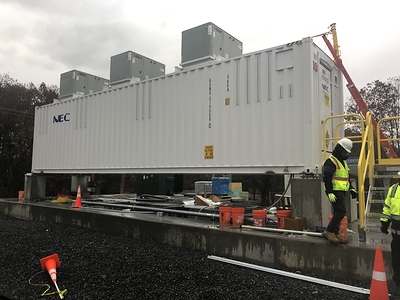
Kearsarge Energy announces the 2026 implementation of four new Battery Storage Energy System (BESS) projects this year totaling 70 MWH, and an expected construction of 200 MWH in 2027. Kearsarge has been the Northeast's leader in Battery Storage since installing National Grid's first DG PV+BESS system in 2019 in Amesbury, MA. In the subsequent 7 years, through Covid and constant regulatory turbulence, Kearsarge has been a driving force behind battery energy storage adoption with utilities, technology partners, and municipal stakeholders by pushing innovative financing, leading in safety protocols and standards, and integrating best of class BESS technology and components to deliver high performance and value across multiple incentive program as well as ISO-NE wholesale markets. Consisting of standalone BESS and Solar + BESS, these projects represent public-private partnerships with municipal hosts as well as private development. The 2026 portfolio includes PV + storage at landfills, as well as standalone BESS installations, with Municipal, non-profit and quasi-public partners.
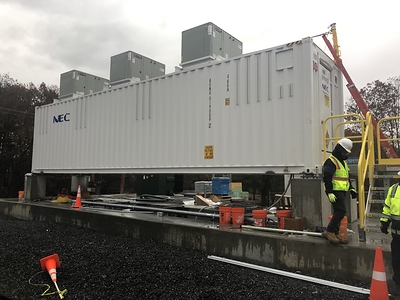
Project Highlights:
Amesbury, MA 3.8 MWH, Standalone, completed in 2019. Solar + BESS located at the City's Titcomb Pit Landfill, this project was the first solar + storage facility built under the MA SMART Solar Program in National Grid territory. The facility consists of a 4.5 MW DC ballasted array, and a 3.8 MWh BESS.
Montague, MA 5.1 MWH, Standalone, completed in 2021. Kearsarge helped facilitate the closure of the Town's burn dump waste site where this Solar + ESS is located. This is another example of Kearsarge's commitment to public-private partnerships. The facility consists of a 3.0 MW DC solar facility, and a 5.1 MWh BESS.
Haverhill, MA 9.0 MWH, Standalone, completed in 2021. Solar + BESS located at the City of Haverhill's landfill connecting to the local National Grid distribution grid. Kearsarge worked closely with the MA DEP and EPA to permit the project on a former superfund site. The facility consists of a 3.6 MW DC solar facility, and a 9.0 MWh AC coupled BESS.
William Way, MA 9.55 MWH, completed in 2021. Located on underutilized land owned by the Town of Bellingham, MA this project provides over 6.6 million kWh of renewable electricity annually to public entity offtakers in National Grid territory. The facility consists of a 6.3 MW DC solar facility, and a 9.6 MWH AC coupled BESS.
Beverly, MA 6.8 MWH completed in 2022. Kearsarge Energy partnered with the City of Beverly, Massachusetts, to develop six solar projects totaling over 4 MW across various city-owned properties. This landmark project for Beverly included the decommissioning of an existing solar array at Beverly High School. Kearsarge replaced the existing array at Beverly High school with industry-leading modules and racking, increasing capacity and installed a carport facility, and a 6.8 MWH AC coupled BESS.
Kingston, MA 4.45 MWH, completed in 2022. Solar + BESS located at the Town of Kingston's landfill site connected to the Eversource distribution grid. The facility consists of a 2.7 MW DC ballasted ground mounted solar facility, and a 4.5 MWH DC coupled BESS after decommissioning an abandoned wind turbine.
Franklin, MA 3.88 MWH, completed in 2022. Solar + BESS situated on underutilized land in Franklin, MA connecting to the local National Grid distribution grid. The facility consists of a 1.5 MW DC solar array, and a 3.9 MWh DC coupled battery BESS.
Reading, MA 22.4 MWH, completed in 2025. Kearsarge developed this 22.4 MWh standalone BESS in partnership with the Reading Municipal Light Department in order to shave local peak demand during key events, while contributing to reduced ISO NE peaks – resulting in meaningful sustainability, reliability and economic impacts.
Orleans, VT 20 MWH, completed in 2025. In partnership with Vermont Public Power Supply Authority and local light departments in Orleans and Barton, Vt, Kearsarge built a 20 MWH standalone BESS which reduces local peak demand during key grid events for the host municipal light departments, while a nearby 7.5 MW solar array provides over 8.7 million kWh and renewable energy credits annually, meeting VT state requirements and contributing local domestic energy to the region.
Sterling, MA 20 MWH, completed in 2025. Solar + BESS generates local in territory energy for the Sterling Municipal Light Department and supports their management of peak load. A Solar ground mount array on underutilized private land generates over 2.2 million kWh annually, and the 20 MWh BESS offsets peak energy demand resulting in energy cost savings for the local light department.
Concord, MA 20 MWH, Standalone. A Solar + BESS under construction at the Town of Concord's Walden Street landfill will generate local in-territory energy for the Concord Municipal Light Plant while also peak shaving. By pairing a 20 MWH BESS with a 4.6 MW DC ballasted solar array, Kearsarge and CMLP have enabled a significant increase in solar production.
Middleborough, MA 20 MWH, Standalone. A 20 MWH standalone BESS will reduce local peak demand during key grid events for the host municipal light department, Middleboro Gas and Electric. The project is expected to save Middleboro Gas and Electric an estimated $12,000,000-$15,000,000 over 20 years.
Chicopee, MA 20 MWH, Standalone. Continuing its commitment to a public-private partnership with Chicopee Electric Light, first started in 2012. Kearsarge is constructing this 20 MWH standalone BESS that will reduce local peak demand during key grid events.
Walpole, MA 10 MWH. Solar + BESS located on Norfolk County owned land that will be connecting to the Eversource distribution grid. The facility will consist of an approximately 6.9 MW DC ballasted ground mounted solar facility, and a 10 MWH AC coupled BESS as another Kearsarge addition part of the Massachusetts SMART program.
Kearsarge owns and operates all of its total energy portfolio, working closely with local stakeholders, power authorities, electric cooperatives, municipal light departments and other partners across the country to optimize development and performance. In 2026, Kearsarge, one of the largest Independent Power Producers in the Northeast, will commission 4 BESS projects in Massachusetts working in close cooperation with those partners to drive energy storage, and pioneer best practices in safety and efficient market operations for these assets.
Andrew Bernstein, Managing Partner of Kearsarge Solar remarked, "Leading safe and efficient storage adoption has been incredibly rewarding over the past seven years. Through our work with municipalities and local utilities we have helped those organizations think through how to take advantage of Battery storage opportunities in a sustainable way, to meet the accelerating energy demands of their communities and drive affordability for desperately needed new generation."
Kearsarge Energy | www.kearsargeenergy.com
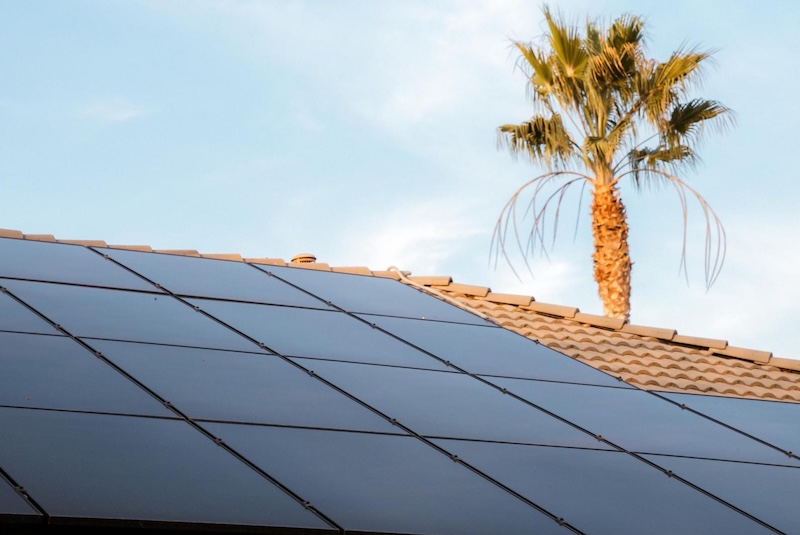
Sunrun (Nasdaq: RUN), America's largest provider of residential battery storage, solar, and home-to-grid power plants, announced an agreement with Voltus, a leading distributed energy resource platform, to support Voltus’s Bring Your Own Capacity programs for AI hyperscalers. Under the agreement, Sunrun will provide energy capacity from a portion of its thousands of residential storage-plus-solar systems in PJM and MISO grid regions, helping deliver reliable, flexible power to support growing electricity demand.
Last year, Voltus announced its Bring Your Own Capacity (BYOC) program, a first-of-its-kind solution that enables large loads like hyperscalers to bring firm, flexible capacity to the table to facilitate data center interconnection and support the grid. As part of that program, Voltus will orchestrate flexible distributed resources — such as batteries and smart thermostats — to reduce energy demand when the grid needs it. And, homes and businesses get paid for participating. This enables new capacity for the system, channels investment into local communities, and strengthens the grids that serve data centers coming online.
“Meeting growing energy demand requires us to maximize every single electron available across the country,” said Sunrun CEO Mary Powell. “In collaboration with Voltus, we are providing critical capacity from home batteries supported by funding from hyperscalers. This is just the beginning of what distributed energy assets can achieve.”
“BYOC is about turning distributed resources into capacity the grid can count on, and maximizing value for the end user,” said Dana Guernsey, CEO of Voltus. “This partnership brings together Sunrun’s residential scale with Voltus’s market-integrated flexibility platform so distributed capacity can support reliability, affordability, and growth as electricity demand increases.”
The Sunrun-Voltus collaboration builds on the recent and separate initiative by Sunrun, Renew Home and Tesla focused on unlocking more than 16.8 gigawatts of flexible capacity from home batteries, solar, smart thermostats, and EVs. Together, these efforts are unlocking existing distributed energy resources to help meet growing demand from data centers and utilities quickly, affordably, and reliably.
Sunrun | www.sunrun.com
Voltus | www.voltus.co
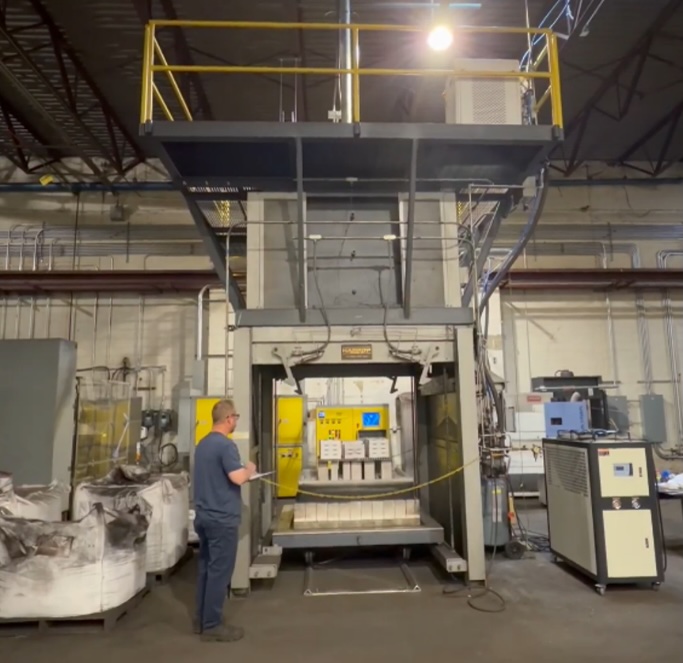
C-BATT and Semplastics announced that manufacturing scale-up of Obsidia, C-BATT's domestically sourced lithium-ion battery anode material, is now underway through an active $1.25 million U.S. Department of Energy (DOE) project. The announcement marks the start of the work—not simply the selection of the project.
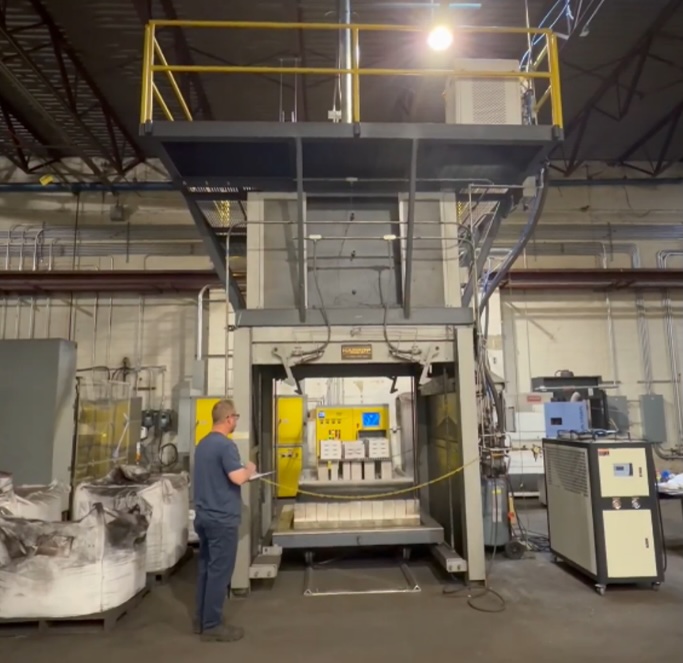
Over the 18-month program, the team will move Obsidia from batch production toward semicontinuous manufacturing, produce the material at larger scale and validate it in prototype full cells. The work is focused on proving that Obsidia can be made repeatedly, economically, and at useful scale.
Beyond the funding, the award is a meaningful vote of confidence in Obsidia from the DOE as a domestic critical-material solution that supports the goal of U.S. energy dominance. The project targets a major U.S. supply-chain vulnerability: reliance on imported battery-grade graphite. Obsidia combines silicon oxycarbide (SiOC) chemistry with abundant domestic carbon feedstocks, including abundant American coal.
Obsidia’s manufacturing path is also a core advantage. Many silicon-rich anode materials depend on chemical vapor deposition, intricate nanoscale structures, or other complex production steps. Obsidia is made through chemical mixing and thermal processing that can be adapted to familiar industrial equipment. C-BATT expects this simpler production route to shorten scale-up time, reduce factory complexity, and keep capital costs lower than many silicon-based approaches. Obsidia is also designed for use with conventional lithium-ion battery electrode processing.
“Battery companies do not just need promising chemistry. They need a material they can buy in volume and run through practical manufacturing,” said Josh McConkey, director of commercialization at C-BATT. “This project begins the work of proving that Obsidia can meet these demands while strengthening the American battery-material supply chain.”
The project team will develop, qualify, and optimize Obsidia made with cleaned waste coal fines, demonstrate semicontinuous production, and validate performance in full pouch cells. The team will also complete a life-cycle assessment, techno-economic analysis, and manufacturing feasibility studies that compare the domestic process with battery-grade natural graphite produced overseas.
Semplastics will lead SiOC resin development and manufacturing scale-up. C-BATT will lead Obsidia formulation, qualification, and battery-cell validation. CONSOL Innovations will support domestic feedstock selection, pyrolysis scale-up, and the project's techno-economic and life-cycle work.
The project team expects the Obsidia scale-up process to progress rapidly, due to C-BATT’s extensive work on simplifying the anode material synthesis processes.
C-BATT | www.c-batt.com
Semplastics | https://semplastics.com/
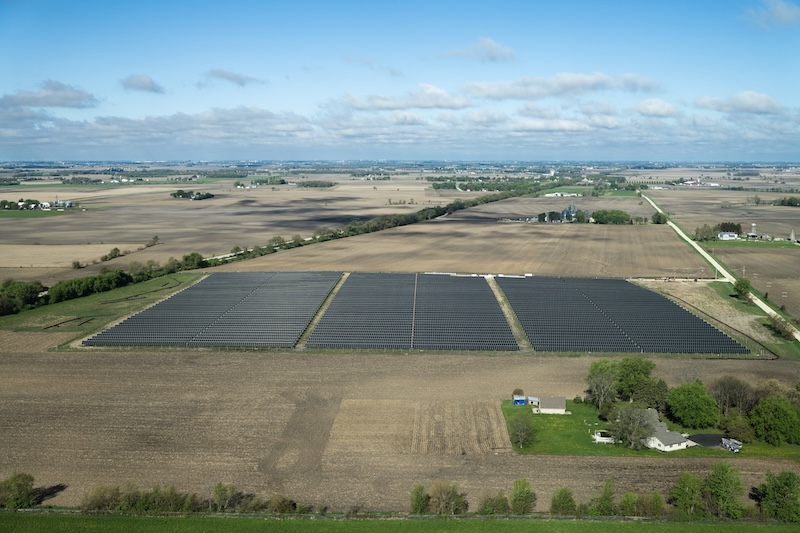
Dimension Energy, a leading developer, owner, and operator of distributed energy infrastructure, announced that it has secured $857 million of additional capital to accelerate the growth of its distributed solar platform. The new capital comprises a $200 million upsize of the company’s corporate credit facility, with lead lenders being Nuveen Energy Infrastructure Credit and funds and accounts managed by HPS Investment Partners, together with a $657 million construction-to-term debt and tax equity financing package.
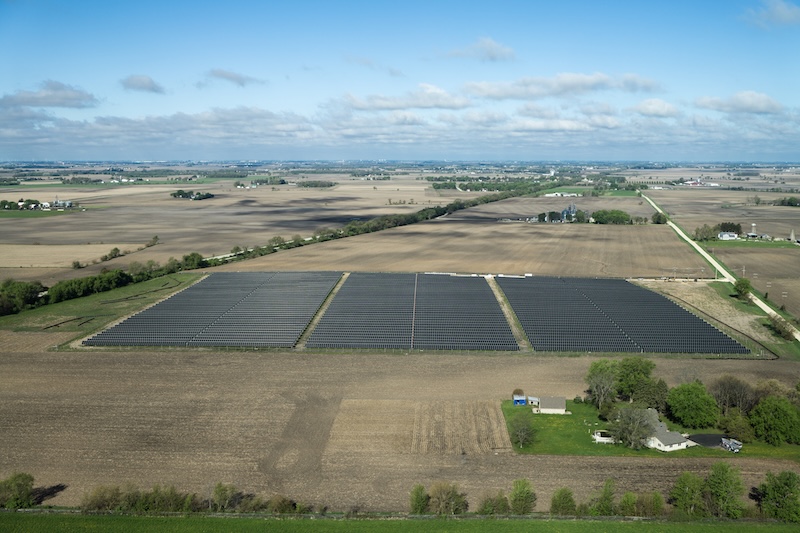
The upsized corporate facility brings Dimension’s total corporate credit facility to $650 million and provides additional flexibility to advance the company’s high-quality distributed solar pipeline, enabling projects to move efficiently from development into construction.
The $657 million financing will provide construction debt and tax equity financing for a portfolio of 29 distributed solar projects across Illinois, New Jersey, New York, Pennsylvania, and Virginia, totaling 149 MW. Advantage Capital served as tax equity investor. The debt package was led by MUFG Bank, First Citizens Bank, ING Capital, and National Bank of Canada, each serving as Coordinating Lead Arrangers, with Fifth Third Bank as Joint Lead Arranger.
Together, these financings build on Dimension’s strong momentum following the closing of a $650 million portfolio financing earlier this year and reflect its partners’ continued confidence in Dimension’s execution capabilities, financial strength, and scale. The additional capital will support Dimension’s continued delivery of affordable, reliable clean power to communities across the country.
“These new commitments from our financing partners reflect the strength of our platform,” said Rafael Dobrzynski, Co-Founder and Chief Executive Officer of Dimension Energy. “This capital will enable us to keep scaling with discipline and speed at a moment when demand for distributed power has never been higher.”
"Dimension has built a distributed solar platform with the execution discipline and portfolio quality that gives us confidence to scale alongside them,” said Don Dimitrievich, Global Head of Nuveen Energy Infrastructure Credit. “With power demand accelerating and transmission and distribution costs rising alongside generation costs, distributed solar is well positioned to deliver reliable power closer to load. Upsizing our commitment reflects Nuveen Energy Infrastructure Credit's continued conviction and confidence in Dimension's ability to execute at scale, and we're excited to keep supporting their growth given the market opportunity."
“We’re pleased to partner with Dimension Energy as the company continues to scale its distributed solar platform,” said Tom Bitting, Managing Director at Advantage Capital. “The Dimension team has built a strong track record of moving quality projects from development through construction. We’re proud to provide tax equity that supports that growth and helps bring reliable, affordable power to more communities across the country.”
“MUFG is pleased to support Dimension Energy’s latest solar portfolio, which will provide long-term sustainable energy to various communities across the U.S.,” said Fred Zelaya, Managing Director at MUFG.
Dimension currently owns over 600 MW of distributed energy assets operating and under construction. These financings will support the company’s growth to 1 GW of operating assets by 2028.
Dimension Energy | www.dimension-energy.com
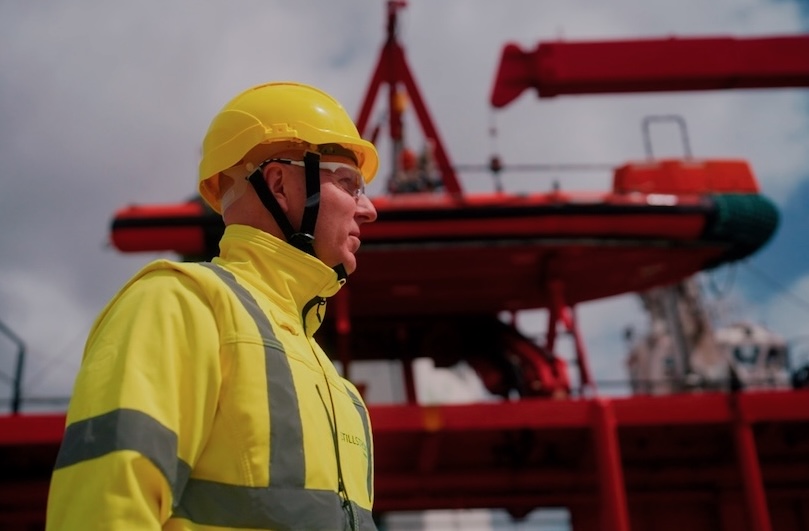
Stillstrom by Maersk has successfully proven that offshore vessel charging can be fully automated, removing one of the practical barriers to hybrid and electric support vessels operating on dynamic positioning (DP) in offshore wind farms. Connecting a vessel to an offshore power source while it holds position on DP means managing a moving cable safely, a task that has traditionally needed manual oversight and carries cost and risk. A trial of the Stillstrom Offshore eCharger (SOeC), witnessed by DNV as part of its technology qualification process, demonstrated Stillstrom's cable control system managing the cable automatically, from initial connection through to the vessel returning to position.
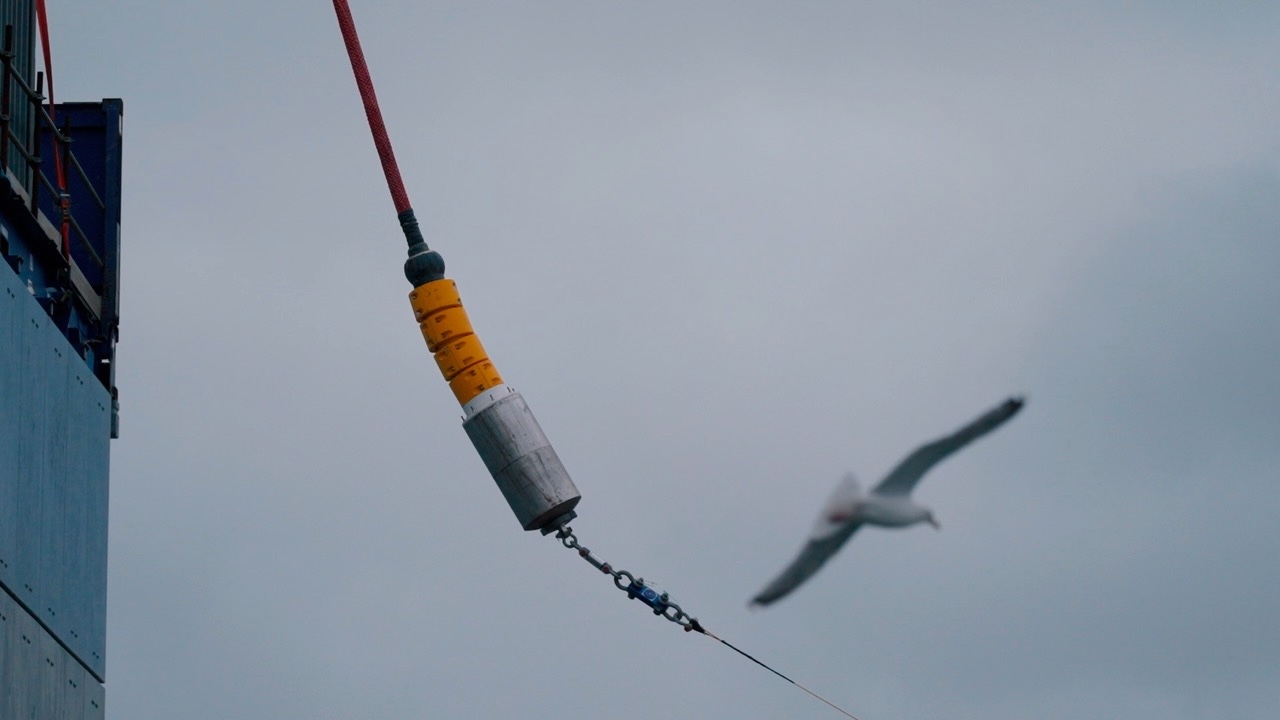
The trial was performed in collaboration with offshore wind vessel operator ESVAGT, and Semco Maritime, a long-term development partner for Stillstrom, which helped set up the test from its yard in Esbjerg, Denmark.
During the trial, the charging connector was deployed to the vessel from a height of 15.5 metres, representative of the wind turbine or substation height at which a Stillstrom system would be mounted in the field. The cable reel on the tower held 125 metres of cable, with the technology automatically paying out more cable as the vessel moved further away and reeling it back in as it returned, maintaining a constant cable profile throughout.
The trial tested five elements - control system performance for automated cable control, RTK GPS as a position reference for that control, synchronised line speed between the tower-mounted cable reel and the electric pull-in winch placed on the vessel, the user interface and logging features for monitoring and data collection, and the system's behaviour under realistic yard conditions.
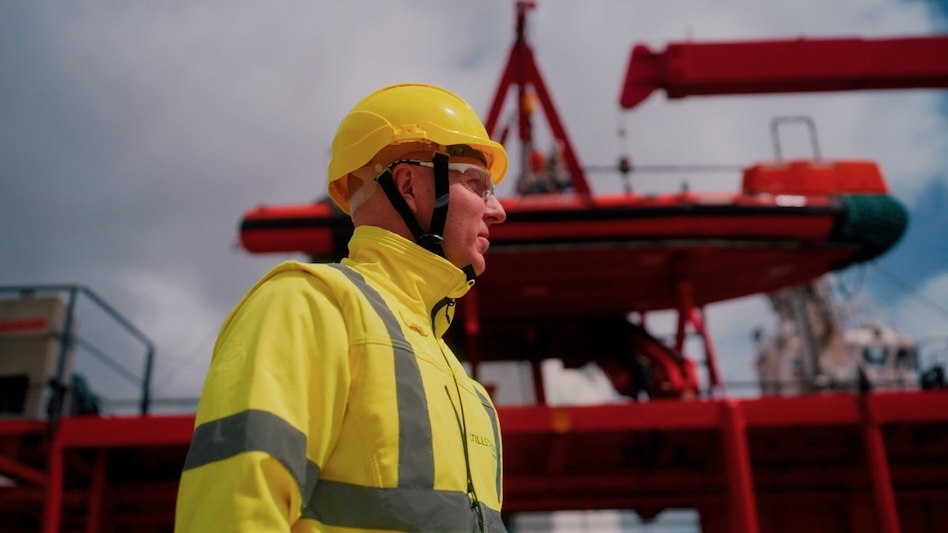
Stillstrom's CEO Kristian Borum Jørgensen said: “Cable control is one of the trickier parts of offshore charging to get right, and this successful trial showed our system safely managing it automatically as the vessel moves and communicating reliably well beyond our planned range.
“None of this happens without having the right partners in the room, and ESVAGT and Semco Maritime have helped drive this forward. This is another meaningful step, giving the sector further confidence in our offshore power and charging solution as we move towards full-scale deployment.”
Stillstrom has been pioneering offshore power and charging solutions to decarbonise the maritime sector from its bases in Copenhagen and Aberdeen and is on the cusp of commercial rollout. This latest assessment followed yard and harbour trials carried out in 2024 and a dry test completed in February 2026. The next step is a more integrated test involving an SOV and the full system, ahead of an eventual sea trial for final certification, which may also serve as the technology's first deployment.
Stillstrom | https://stillstrom.com
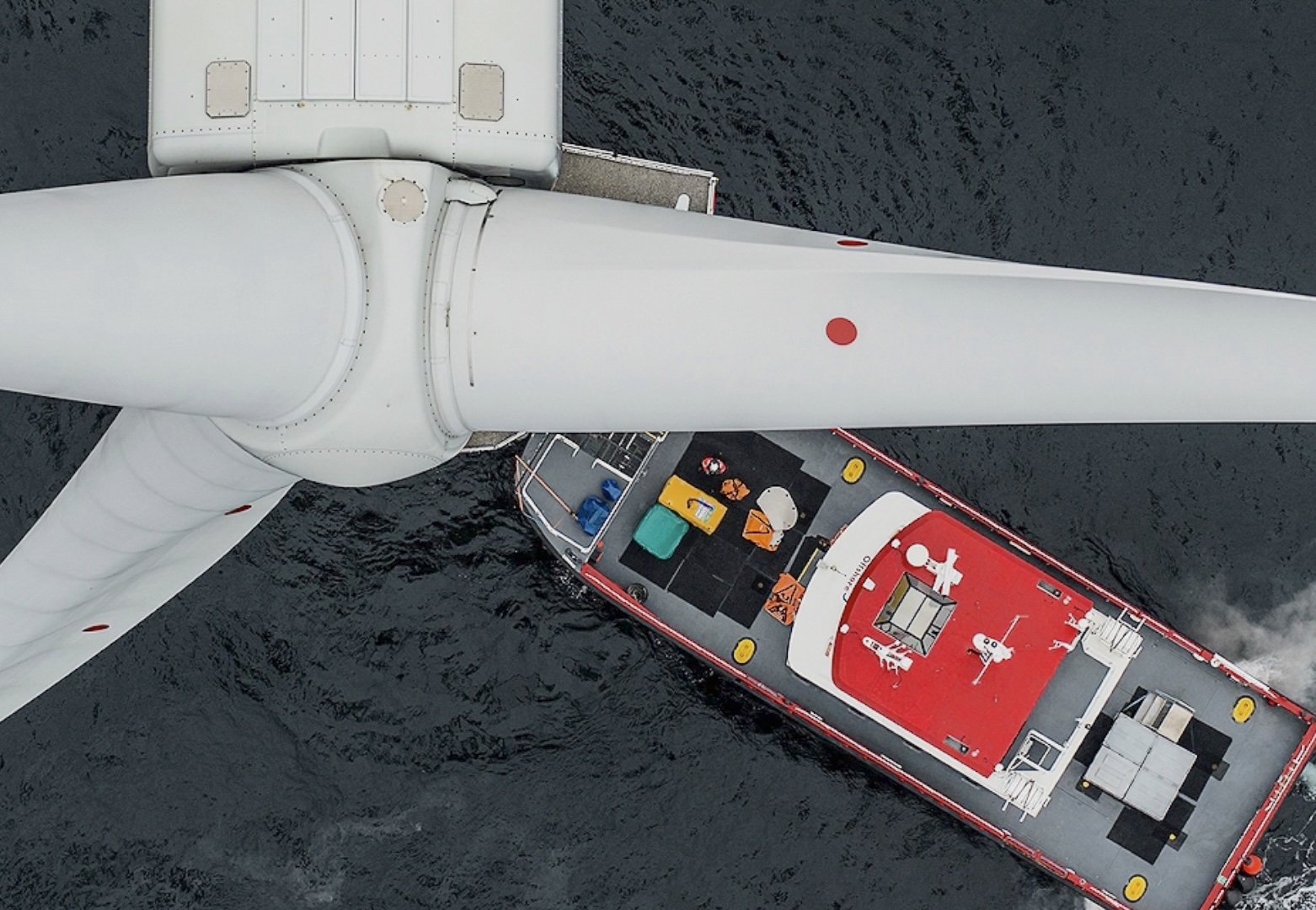
Statkraft Peru, a leading renewable energy generation company and subsidiary of the Norwegian state-owned company Statkraft, has selected Vestas for the development of the 72 MW Emma Wind Farm in Peru, located in the Piura region. This project marks Vestas' return to the Peruvian market with its 4 MW platform and reinforces both companies' commitment to the energy transition and the country's sustainable development.
Under this contract, Vestas will be responsible for the supply and installation of 16 V163-4.5 MW wind turbines, with a hub height of 119 meters. Delivery of the main components is scheduled for the second quarter of 2027, while turbine commissioning is expected in the first quarter of 2028.
"We are very proud to support Statkraft in the development of the Emma Wind Farm. This project reinforces our confidence in Peru's growth potential as one of the most attractive renewable energy markets in the region. Wind energy will continue to play a key role in diversifying the country's energy mix, delivering competitiveness, security, and long-term sustainability. We remain committed to supporting the development of Peru's energy sector with cutting-edge technology, local expertise, and solutions that create value for our customers and the local economy.” says Andrés Gismondi, Vice President of Sales at Vestas for the Southern Cone and Northern Latin America.
This new project strengthens the presence Vestas has built in Peru over more than ten years through the operation and maintenance of 62 wind turbines, totaling 100 MW of installed capacity.
Vestas | www.vestas.com
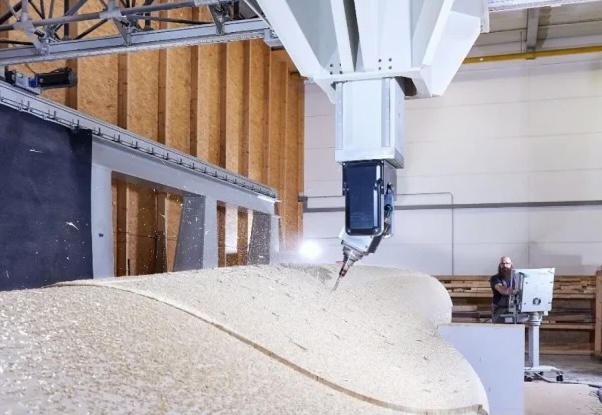
A consortium made up of German companies Voodin Blade Technology and Anker-Tec, together with Lithuanian firms VMG Wood Invest and VMG Technics, is planning to build a pioneering wind-turbine wooden blade factory in Navarra. The projected investment exceeds €100 million, and the project has secured €48.18 million in funding from the European Union’s Innovation Fund. Named VB1F, the future plant would specialise in manufacturing wind-turbine blades made from laminated veneer lumber (LVL), a material that, according to its backers, will make it possible to produce fully recyclable components as an alternative to traditional fibreglass blades.
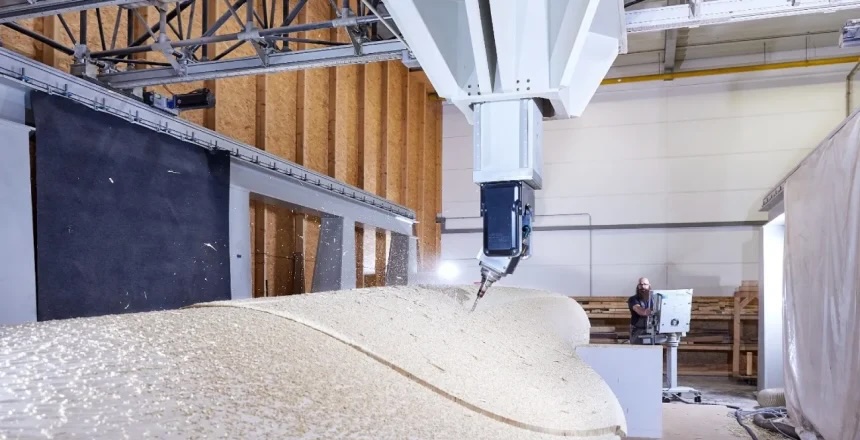
A fully recyclable material as an alternative to fibreglass
Voodin Blade Technology notes that the wind industry has built a $50 billion market on a material that cannot be recycled due to its structure, meaning around 78% of decommissioned fibreglass blades end up in landfill. With the VB1F project, the company is proposing an alternative: fully recyclable wooden turbine blades, produced without moulds and through a fully automated process.
Up to 450 local jobs and capacity for 160 blade sets a year
The consortium expects the facility to become operational in 2031 and to reach a production capacity of up to 160 blade sets a year. According to its estimates, the project will generate around 13.5 million MWh of electricity over the next decade and avoid the emission of more than 2.4 million tonnes of CO2, as well as creating around 450 local jobs.
Navarra | https://investinnavarra.com/en
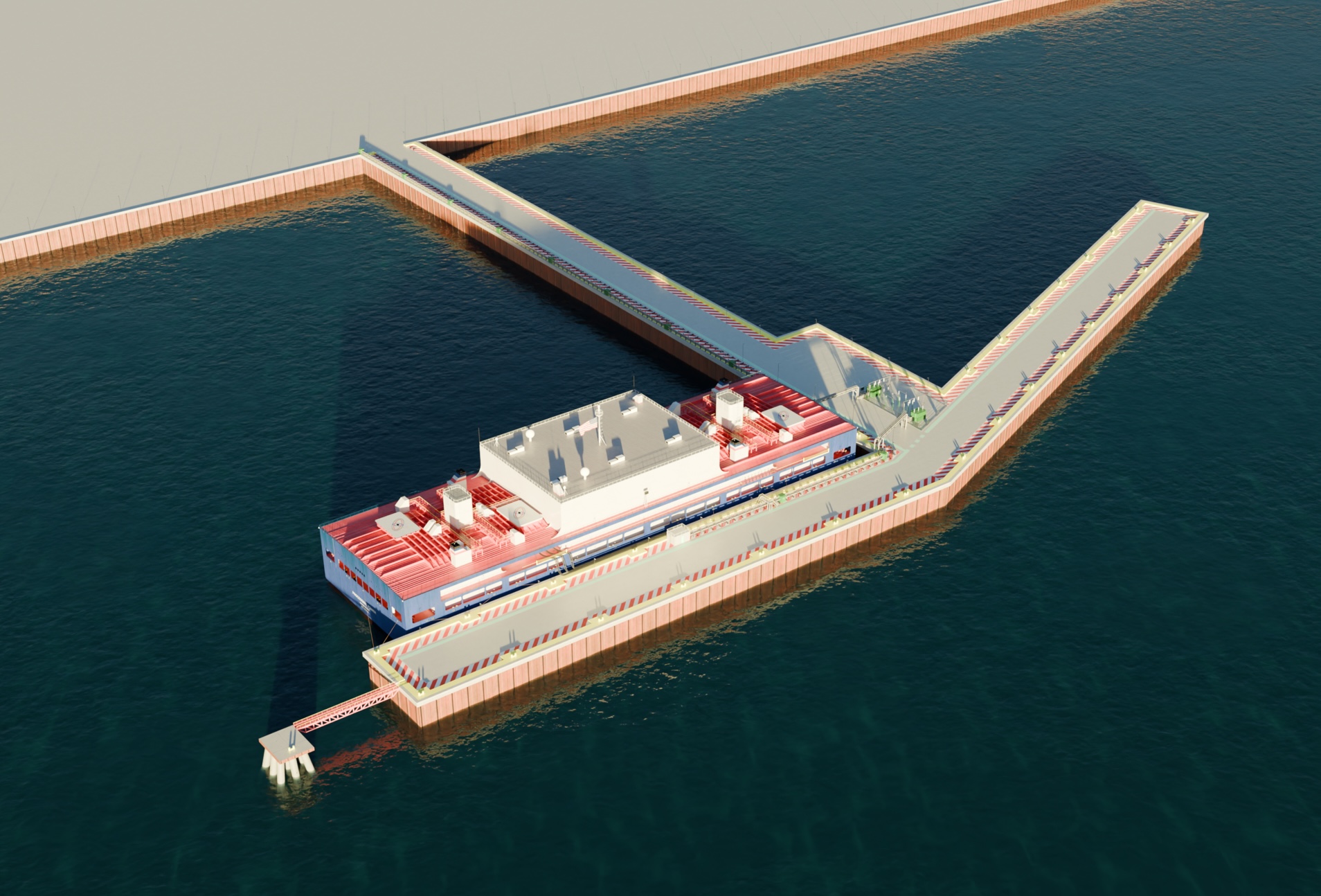
Alternative Energies Jul 23, 2026
Every industrial revolution comes with its own infrastructure, which must scale rapidly in order to fuel the innovation and associated disruption that comes in its wake. Data centers are the factories of the AI revolution, and their rapid growth — ....
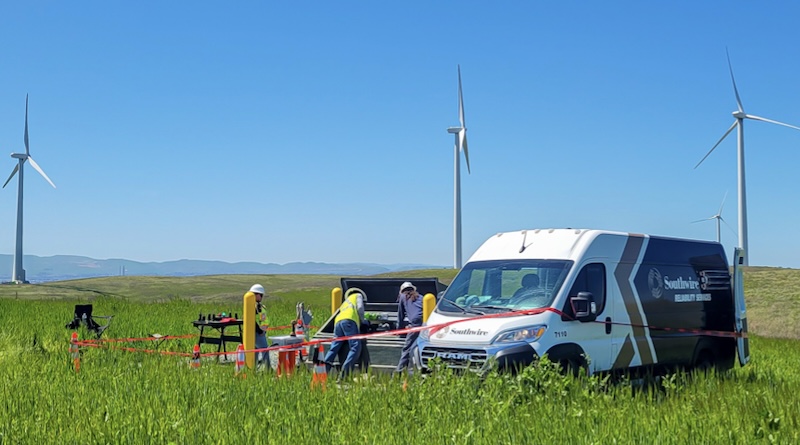
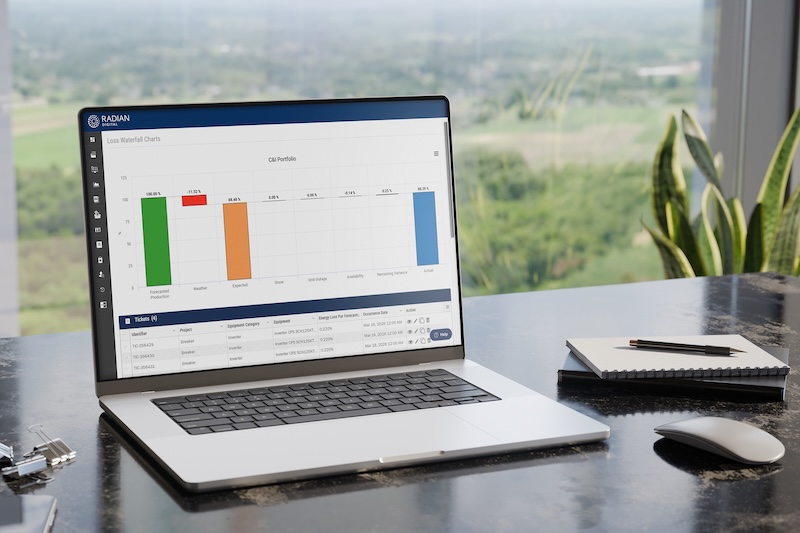
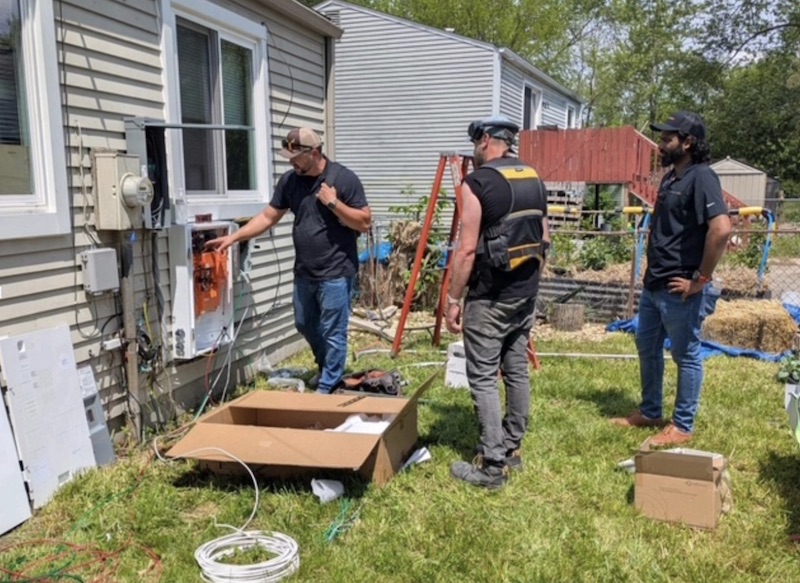
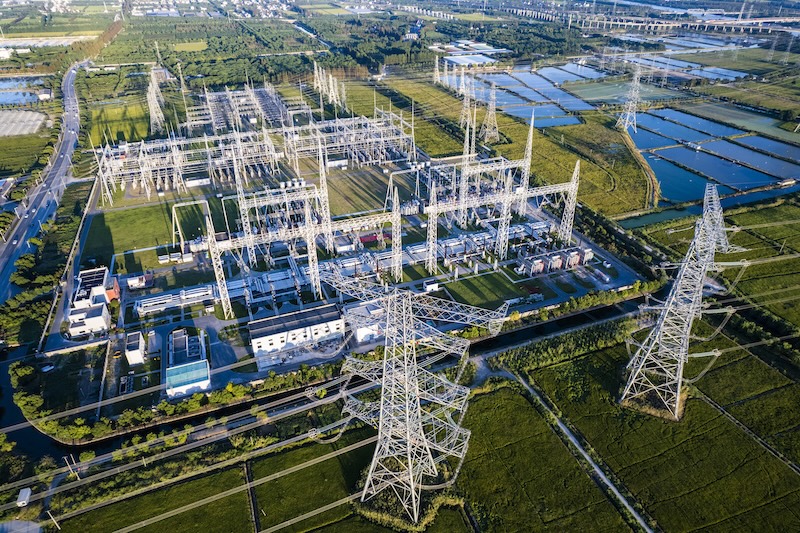
Energy systems are undergoing rapid transformation, reshaping how power is generated, delivered, and used across the economy. The growth of renewable energy is introducing new variability to the grid, while electrification is expanding across the sec....
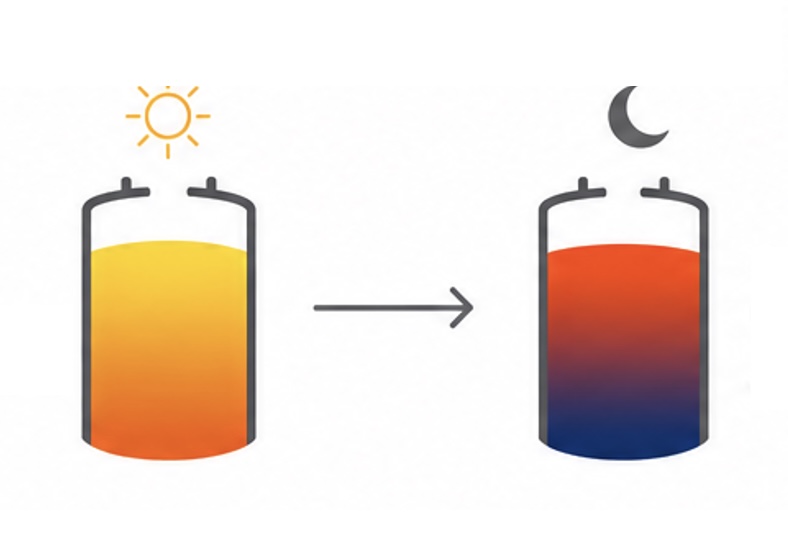
Electric demand growth is outpacing infrastructure readiness. Across North America, utilities are simultaneously facing the rapid expansion of electric vehicle charging, large-scale data center development, electrified HVAC adoption, manufacturing re....
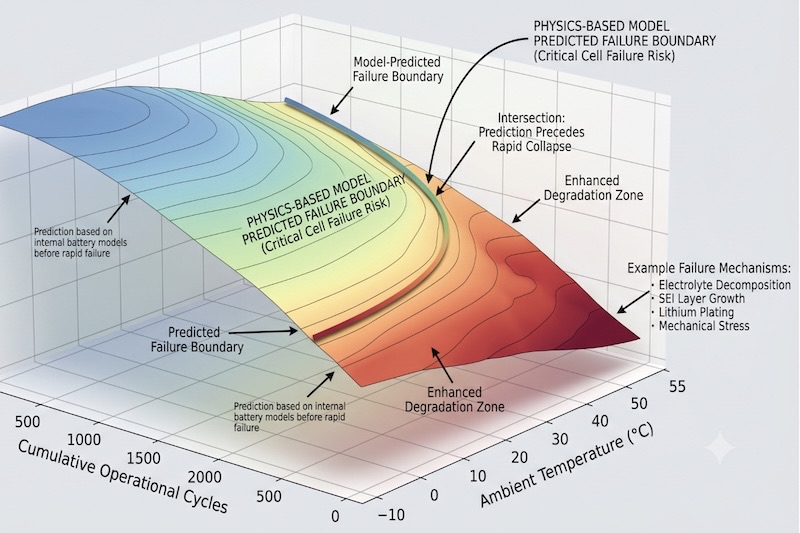
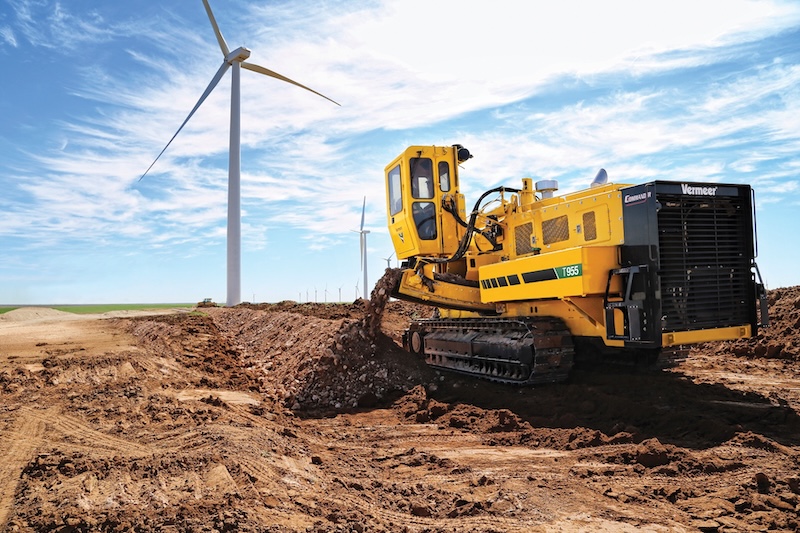
The utility-scale and commercial solar sectors are scaling at an unprecedented rate across the United States. Driven by sustained capital inflows, state-level mandates, and evolving federal tax frameworks, total installed capacity continues to hit hi....
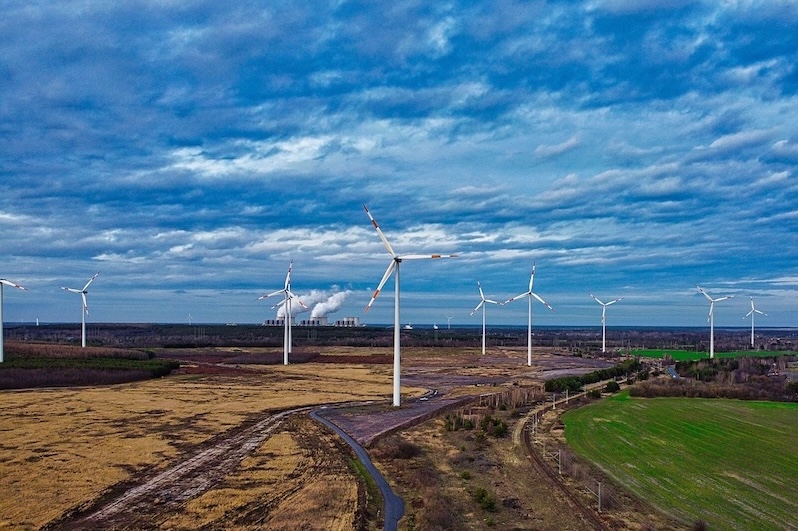
Texas leads the United States in install....
Data centers — driven by rapid AI adop....
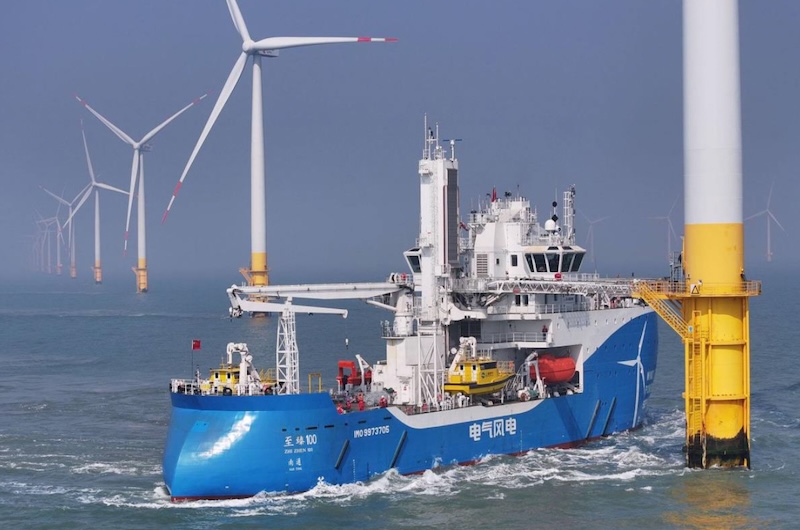
The offshore wind industry is scaling fa....
The American electric grid was designed around a principle that made sense for its time: generate power far away, move it long distances, and deliver it to homes and businesses that had no role in the system beyond paying the bill. For more than a ce....
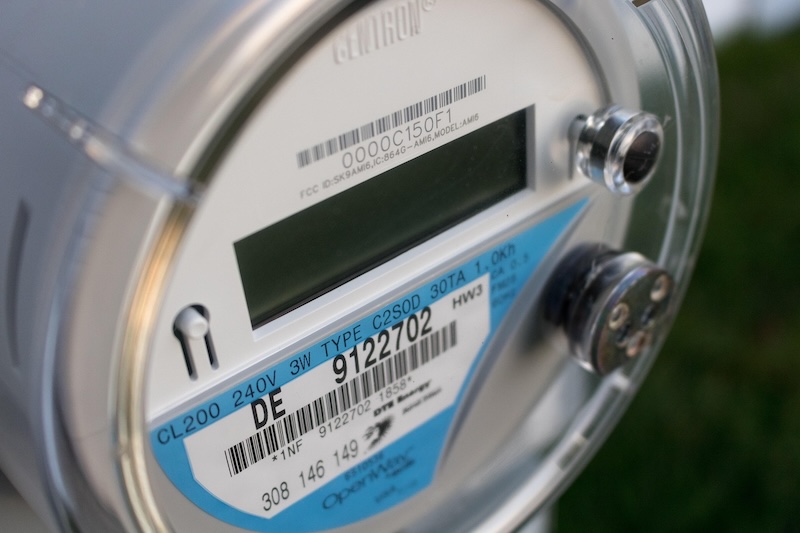
Over the years, utilities have had a complicated relationship with renewable energy. As homeowners and businesses adopt energy sources like solar and battery storage for self-generated power, the impact on utilities may be reduced revenue and oversup....
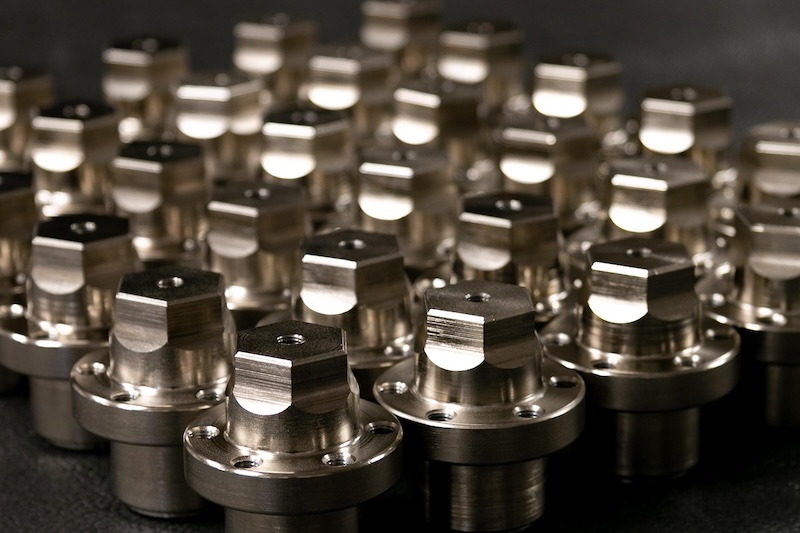
While not the world oldest profession, the reuse of products is a close second, dating back to when a caveman picked up a spear after his partner was eaten by a lion. Today, it is estimated that 45 percent of industries depend on it. Some examples....
Every industrial revolution comes with its own infrastructure, which must scale rapidly in order to fuel the innovation and associated disruption that comes in its wake. Data centers are the factories of the AI revolution, and their rapid growth — ....
Environmental review and permitting requirements are changing faster than many infrastructure projects can adapt. Utilities, independent power producers, and commercial developers now operate in a more complex environment shaped by shifting federal p....
From extreme ice in the Midwest to the high winds in the Southeast, extreme weather is becoming more frequent and consequential for utilities and the communities they impact. For decades, choosing a conductor often centered on ampacity, cost, and sta....